
Winter Storm Fern, Cold Front Test New York’s Grid
When Winter Storm Fern swept across New York, it brought more than white‑out conditions and biting temperatures. The prolonged event also revealed how weather, aging generation, and fuel market pressures can collide to challenge the grid and raise electricity prices.
Because natural gas is prioritized for residential and commercial heating during cold snaps, generators that rely on non‑firm gas supply can face fuel shortages precisely when electricity demand is highest. The NYISO has reported that recent winters have required greater reliance on oil‑fired and dual‑fuel generators, though oil inventories and fuel‑switching capabilities are also under increased pressure. These conditions — combined with plant retirements and the growing electrification of heating — have led the NYISO to stress that fuel security, not just installed capacity, will be a defining factor in maintaining winter reliability in the years ahead.
The cold snap affected much of the Eastern United States from January 24 through February 2, with sustained below zero temperatures and a wide geographic reach that strained power systems from New England across the Midwest and as far south as Florida. In New York, electricity demand was elevated for the duration of the event, peaking at over 24,000 megawatts (MW) on two days and well above 23,000 MW on most other days. For the NYISO’s grid operators working through the storm, it was a balancing act between rising consumer demand and tightening supply, as homes and businesses cranked up the heat.
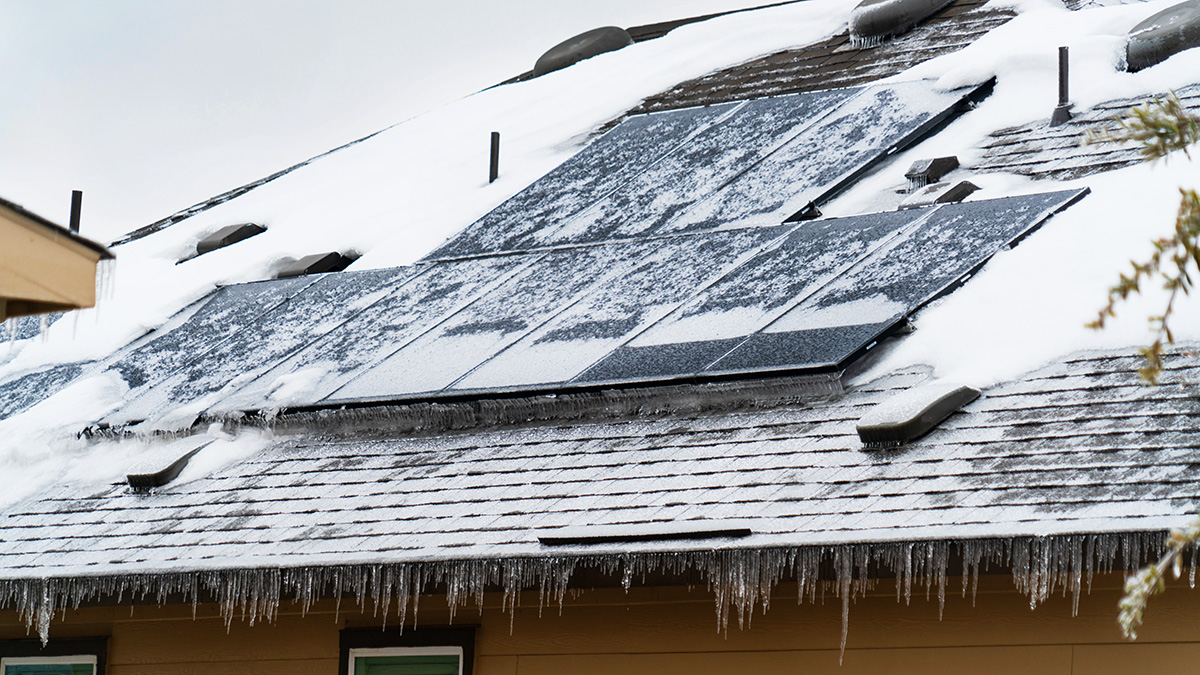
The snow and sustained cold combined to render solar production almost zero: snowfall covered the panels and the deep freeze prevented melting. In fact, solar output remained significantly reduced for a week after the storm, as demonstrated below. Wind resources contributed as much as 2,000 MW at one point but as little as 150 MW at other times.
That meant the grid relied more on fossil fuel resources to meet consumer demand for electricity, highlighting challenges with the aging generation fleet, which have been documented by the NYISO in recent reliability reports. Roughly a quarter of these resources are more than 50 years old, making them increasingly susceptible to failure when they are called upon to respond to rising demand. Between 1,200 MW and 3,000 MW of planned generation capacity was unavailable each day.
Throughout the deep freeze, grid operators leaned heavily on demand response programs to meet system reliability. Demand response was activated for six consecutive days during the storm and subsequent cold front. Demand response involves asking large energy users to reduce consumption during peak demand periods. These programs can help relieve strain on the grid by implementing rapid conservation measures.
Price volatility
On the pricing side, gas and oil constraints drove up wholesale electricity prices, a trend reflected across much of the country.
Since natural gas is a primary heating and generation fuel in New York, cold weather increases demand for gas, driving up electricity production costs. Natural gas prices rose about 60% nationwide towards the end of the week-long event, impacting wholesale electricity costs in turn.
“A large segment of electricity generators in New York operate on natural gas,” NYISO Vice President of Market Structures Shaun Johnson said. “Natural gas has more than doubled in price this year from what it was a year ago, which has a huge impact on the cost to create electricity.”
For example, the average price for natural gas in New York City for January 2025 was $19.42/MMBtu. During the cold front, gas prices across all pipelines serving New York generation, were in the $50- $200/MMBtu range, with reports of spot quotes in excess of $300/MMBtu.
Nearly 50% of New York’s generation fleet is classified as “dual fuel,” meaning these resources can operate using natural gas or oil, which provided additional flexibility during and after the winter storm.
Dual fuel generation provides both reliability and economic benefits to consumers. When the gas system is stressed, generators with dual-fuel capability can switch to oil when it’s less expensive than gas, helping to lower supply costs. During the cold weather event, these units largely switched to burning oil for production of electricity. For the NYISO’s operators, managing oil inventories was a priority to preserve unit availability for the duration of the cold weather.
Winter reliability concerns
The NYISO has cautioned that winter reliability is becoming a more acute and complex challenge for the state’s electric grid, even when overall generating capacity appears sufficient under average conditions.
In its recent Winter Reliability and Winter Readiness Assessments, the NYISO emphasized that prolonged cold weather can significantly stress the system, driving higher electricity demand while simultaneously constraining fuel supply for power generators. Extreme cold events have increasingly exposed vulnerabilities in generator performance and fuel access, underscoring that reliability risks are not driven by capacity alone, but by whether resources can operate when winter conditions are most severe. Recent operating characteristics have only heightened such concerns.
Learn more
Please visit our new winter pricing resource page to explain what's behind rising costs.