Through expert system operations, planning, and wholesale electricity market design, the NYISO is working to identify the reliability needs of the future grid envisioned by New York’s nation-leading climate policy goals. We will continue to engage policymakers and our stakeholders to design and implement the operations, planning and market enhancements necessary for the grid in transition, consistent with our mission and vision. 

Power Trends explores the issues and challenges shaping the grid of the future based on the latest economic data, forecasts of peak demand and changing generation mix. Our 2025 report underscores the heightened uncertainty of future system conditions and key assumptions such as population and economic growth, installation of behind-the-meter renewable resources, electric vehicle adoption and charging patterns.

Generator deactivations are outpacing new supply additions

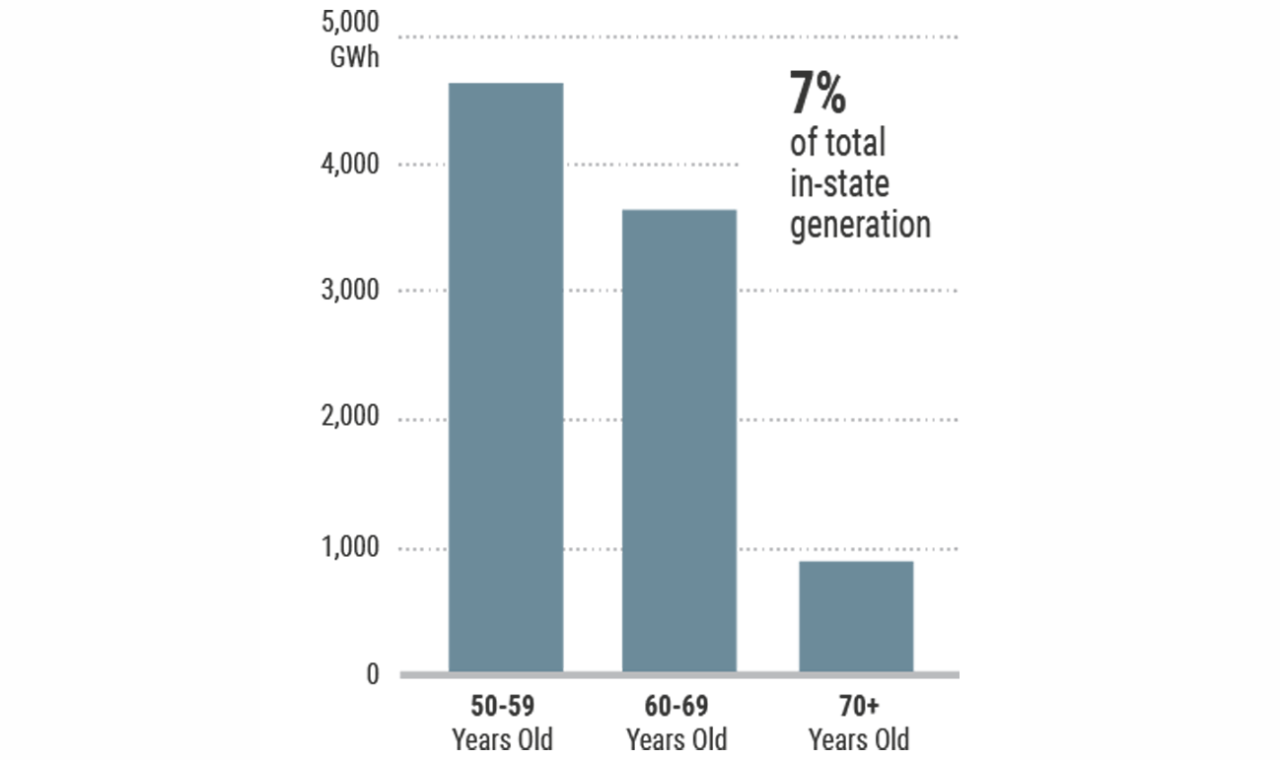
As traditional fossil-fueled generation deactivates in response to decarbonization goals and tighter emissions regulations, reliability margins on the grid are eroding. Further, the remaining fossil-fueled generation fleet, which provides many of the essential reliability services to the grid, is increasingly
made up of aging resources, raising further concerns about grid reliability.

Strong reliability margins enable the grid to meet peak demand, respond to sudden disturbances, and avoid outages. They also support the grid’s ability to respond to risks associated with extreme weather conditions. As these margins narrow, consumers face greater risk of outages if the resources needed for reliability are unavailable due to policy mandates or failures associated
with aging equipment.

Dispatchable resources are needed for reliable power system operations

The ability to respond quickly to changing needs on the grid is important to maintain reliable electric service to consumers. Renewable energy resources like wind-powered generators or solar panels have the benefit of being emissions-free, but because they cannot produce energy when it is not windy, or the sun is not shining, they are not dispatchable, meaning they cannot produce electricity on demand or increase production when increased supply of electricity is needed. Today, fossil-fueled generators are an important source of dispatchable supply services.

The grid needs sufficient flexible and dispatchable resources to balance variations in wind and solar resource output. Dispatchable, emission-free resources (DEFRs) must have the attributes of today’s fossil generators (responding quickly to rapid system changes), but without harmful emissions. Energy storage technologies are beginning to provide these services, but additional technologies will be needed.

Repowering aging power plants can lower emissions, meet rising consumer demand, and provide reliability benefits to the grid.

Repowering is the process of retrofitting and modernizing existing power plants, often focusing on replacing older components with cleaner, more efficient, and powerful equipment that can provide more energy and lower emissions. 

Repowering can offer a bridge between old and new, the past and the future. Repowering is especially important to consider as we rely more on an aging generation fleet. Upgrading our existing fleet not only can help with a stepped approach to carbon reductions by replacing older, dirtier turbines with new, cleaner cutting-edge technology, it also holds the potential for helping avoid future generator breakdowns, therefore bolstering grid reliability.

New York is projected to become a winter-peaking electric system by the 2040s

While New York’s electric grid is still currently a summer-peaking system, the state will in the coming years see electricity demand reach its highest points in colder months. Winter demand is expected to grow by approximately 14,000 MW by the year 2040. 

Historically, investments have been made to meet high summer demand, which is driven primarily
by air conditioning use, especially during prolonged heat. As more consumers rely on the electric system to meet space heating needs, however, the NYISO must ensure the grid is prepared to supply winter peak periods reliably under various conditions.

Current statewide reliability margins in winter are sufficient. However, if gas-fired generators
cannot secure fuel during peak winter demand periods, statewide deficiencies could arise as soon as
winter 2029-2030 under normal weather conditions. Considering higher demand growth or extreme
winter weather conditions, deficiencies may happen years earlier.

New supply, load, and transmission projects are seeking to interconnect to the grid at record levels

There has been an unprecedented increase in the number of projects seeking to connect to the bulk power system since the passage of the state’s 2019 CLCPA. Through the NYISO’s interconnection process, major generation, transmission, and load projects are studied to assess the reliability impact they may have on the electric system. The interconnection process is coordinated by the NYISO but requires significant involvement by both the electric utilities and developers. Each party has an important role to play, and success of the process depends on coordination and timely delivery of information by all participants. Through the interconnection process, as required by FERC, the NYISO seeks to balance the demands of open access to the electric system with grid reliability while protecting customers from undue costs.