
Winter is Coming. Here’s What that Could Mean for Electricity Prices and the Grid.
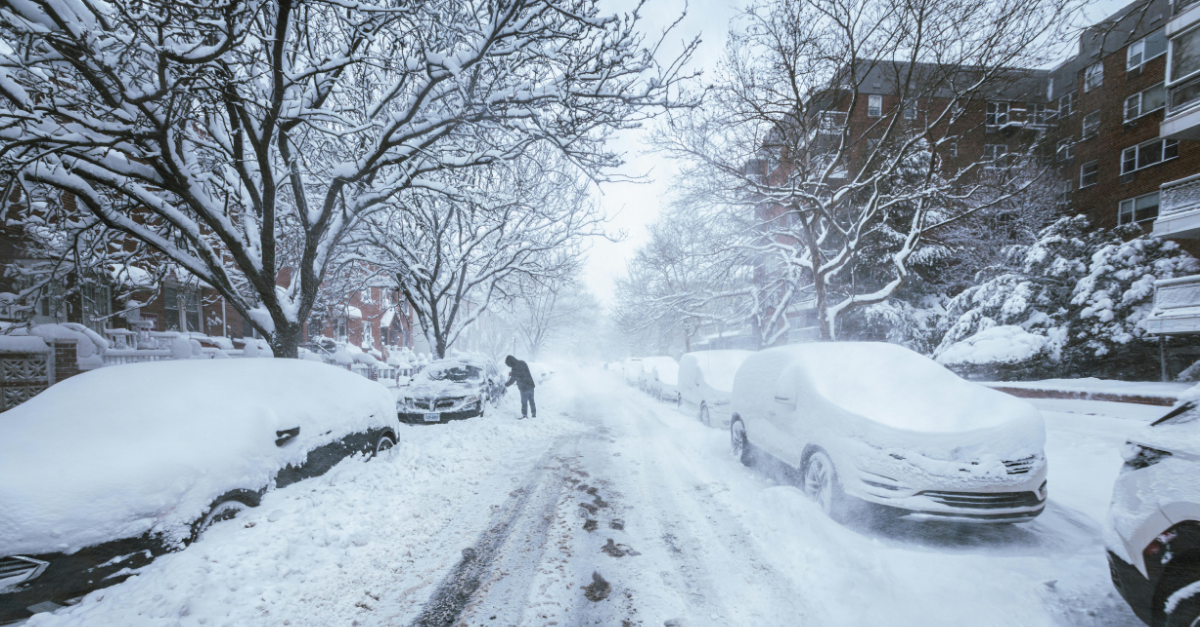
As New York prepares for another winter, the latest Energy Information Administration (EIA) Short-Term Energy Outlook provides a useful reminder that fuel markets remain an important factor in electric system operations.
While the STEO points to lower natural gas prices compared to recent years, it also highlights continued uncertainty in global oil markets, tight distillate fuel inventories, and ongoing risks to fuel supply chains. For grid operators and generating facilities, particularly dual-fuel power plants that can switch between natural gas and oil, these trends reinforce the importance of flexibility and preparedness through the winter season.
New York's electric system relies on a diverse mix of resources, including generating units that operate primarily on natural gas but maintain the ability to burn oil when gas supplies become constrained. During periods of extreme cold, demand for natural gas rises significantly as homes and businesses use more fuel for heating. At times, this can limit the availability of natural gas for power generation, making dual-fuel capability an important reliability tool. The ability of generators to switch fuels helps ensure electricity remains available when it is needed most.
The EIA forecasts that natural gas inventories will remain above average nationally, supported by growing U.S. production. As a result, Henry Hub natural gas prices are expected to remain relatively moderate compared to recent years. At first glance, that may suggest lower electricity costs. However, electricity prices are influenced by a wide range of factors beyond fuel costs alone, including weather conditions, electricity demand, generator availability, transmission constraints, market conditions, and regional fuel delivery challenges.
Lower natural gas prices therefore do not guarantee lower wholesale electricity prices or lower consumer electric bills. In New York and other organized electricity markets, periods of extreme weather can still produce elevated electricity prices even when average annual fuel prices remain moderate.
Winter Storm Fern offered a clear example. From late January into early February 2026, prolonged cold drove sustained demand for both electricity and natural gas, constrained fuel supplies available to some generators, and sharply increased withdrawals from natural gas storage. As inventories were drawn down and regional gas availability tightened, system operators faced narrower operating margins and heightened reliability concerns. The EIA noted that wholesale electricity prices during 2026 were shaped significantly by weather-related events, including winter storms and periods of sustained summer heat.
The STEO also highlights developments in oil and distillate fuel markets that merit attention heading into winter. Global oil prices remain elevated amid ongoing geopolitical uncertainty and supply disruptions. Although the EIA expects oil production and export flows to increase over time, oil prices remain subject to significant volatility. For power generators that maintain oil as a backup fuel, higher oil prices can increase operating costs during periods when fuel switching becomes necessary.
At the same time, distillate fuel inventories on the East Coast remain below historical averages. While inventories are expected to recover somewhat, they are forecast to stay below normal levels through much of the winter. Distillate fuels, including the fuel oils used by many dual-fuel generators, play an important role in winter reliability. Maintaining adequate fuel inventories and ensuring fuel can be delivered when needed remain important considerations for generating facilities and system operators.
For the NYISO, these conditions underscore a familiar reality: winter reliability depends on more than any single fuel market forecast. Winter Storm Fern demonstrated how quickly prolonged cold can tighten natural gas availability, draw down fuel inventories, reduce renewable output, and test the availability of an aging generation fleet. During the event, elevated demand and constrained fuel supplies required grid operators to rely heavily on dual-fuel generation, demand response, imports, and other operating tools to maintain reliability. Weather uncertainty, fuel availability, fuel transportation logistics, and generator readiness all play important roles in maintaining reliable electric service during periods of system stress.
While current forecasts suggest a generally stable natural gas supply and a somewhat milder winter in the Northeast, winter preparedness remains essential. New York's diverse fleet of generating resources, including dual-fuel power plants capable of operating on either natural gas or oil, continues to provide operational flexibility that helps support reliability during challenging winter conditions.
As fuel markets, weather forecasts, and system conditions evolve throughout the season, maintaining resource availability and fuel flexibility will remain important tools for ensuring the electric system can meet customer demand whenever New Yorkers need it most.