Natural Gas Prices This Winter: What It Means for Grid Reliability and Consumers in New York
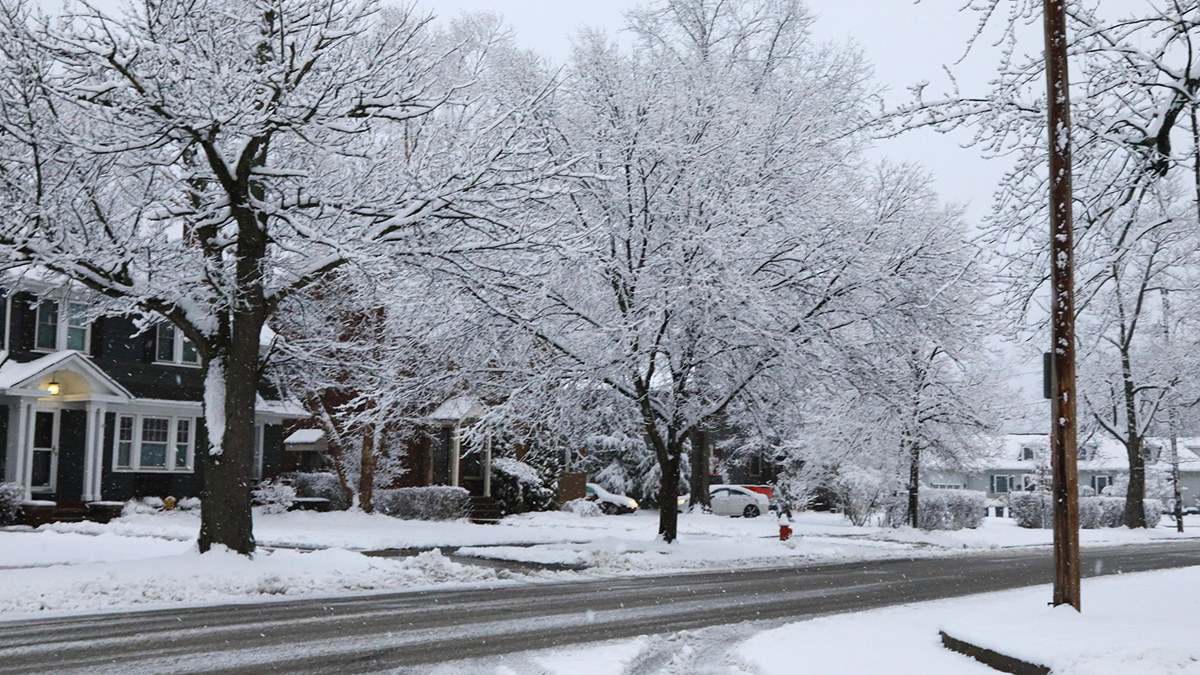
As winter sets in, high natural gas prices are once again poised to drive up both heating bills and electricity costs across the state.
Because natural gas is not only a primary home heating fuel but also the state’s main fuel for generating electricity, higher gas prices directly translate into higher wholesale electricity costs—and ultimately higher retail bills for consumers.
This trend isn’t limited to New York. Natural gas prices are increasing nationwide. According to the U.S. Energy Information Administration’s (EIA) Short Term Energy Outlook, colder than expected winter weather has driven up heating demand and accelerated withdrawals from gas inventories. The Henry Hub spot price is forecast to average about $3.64 per MMBtu this winter, a 3.7% increase over last winter.
The EIA’s Winter Fuels Outlook notes that household energy costs will vary depending on heating sources and the severity of the winter. Still, elevated natural gas prices and retail level pressures are expected to push electricity bills higher in every region.
While natural gas is only one factor behind high utility bills, it remains a major driver of electricity costs. When generators pay more for fuel, wholesale prices rise, and those increases flow through to consumers. Other forces—such as insurance costs, system investments, and infrastructure upgrades needed to meet growing demand—also contribute to rising electricity prices.
Why winter reliability is complex
Winter brings unique challenges for grid reliability. As heating demand spikes, natural gas pipelines must prioritize firm customers - typically residential customers whose heating needs are prioritized for health and safety reasons - which constrains supply for power plants.
This constraint can force certain generators to rely on alternative fuels or reduce output, tightening energy reserve margins. NYISO’s recent reliability reports and winter assessments have flagged this risk, noting that fuel availability during extreme cold is a critical reliability factor. Combined with growing electrification and aging generation, these dynamics make winter planning more urgent than ever.
What the NYISO is doing
The NYISO continuously monitors fuel supply conditions and coordinates with generators to ensure readiness for severe weather. While the NYISO cannot control the wholesale price of electricity in the competitive markets, the NYISO administers the markets under regulation by the Federal Energy Regulatory Commission to ensure transparent price signals for all market participants. Transparent price signals in the competitive markets are designed to encourage generators to secure firm fuel arrangements, if possible, which can lower costs.
The bottom line
Natural gas prices and weather will shape electricity costs in the months ahead. NYISO’s independent operation and competitive markets remain essential to managing these challenges.
While wholesale market mechanisms help manage costs, according to the EIA, retail consumers will still feel the impact of high electricity prices this winter – with prices in line with those experienced last winter.
Conservation during peak periods, participation in demand-response programs, and energy efficiency measures can help mitigate bills. NYISO will continue to provide updates on system conditions and reliability outlooks throughout the season.