
Keeping the Lights on in Unprecedented Times: Looking Back at Sequestered Grid Operations During COVID-19
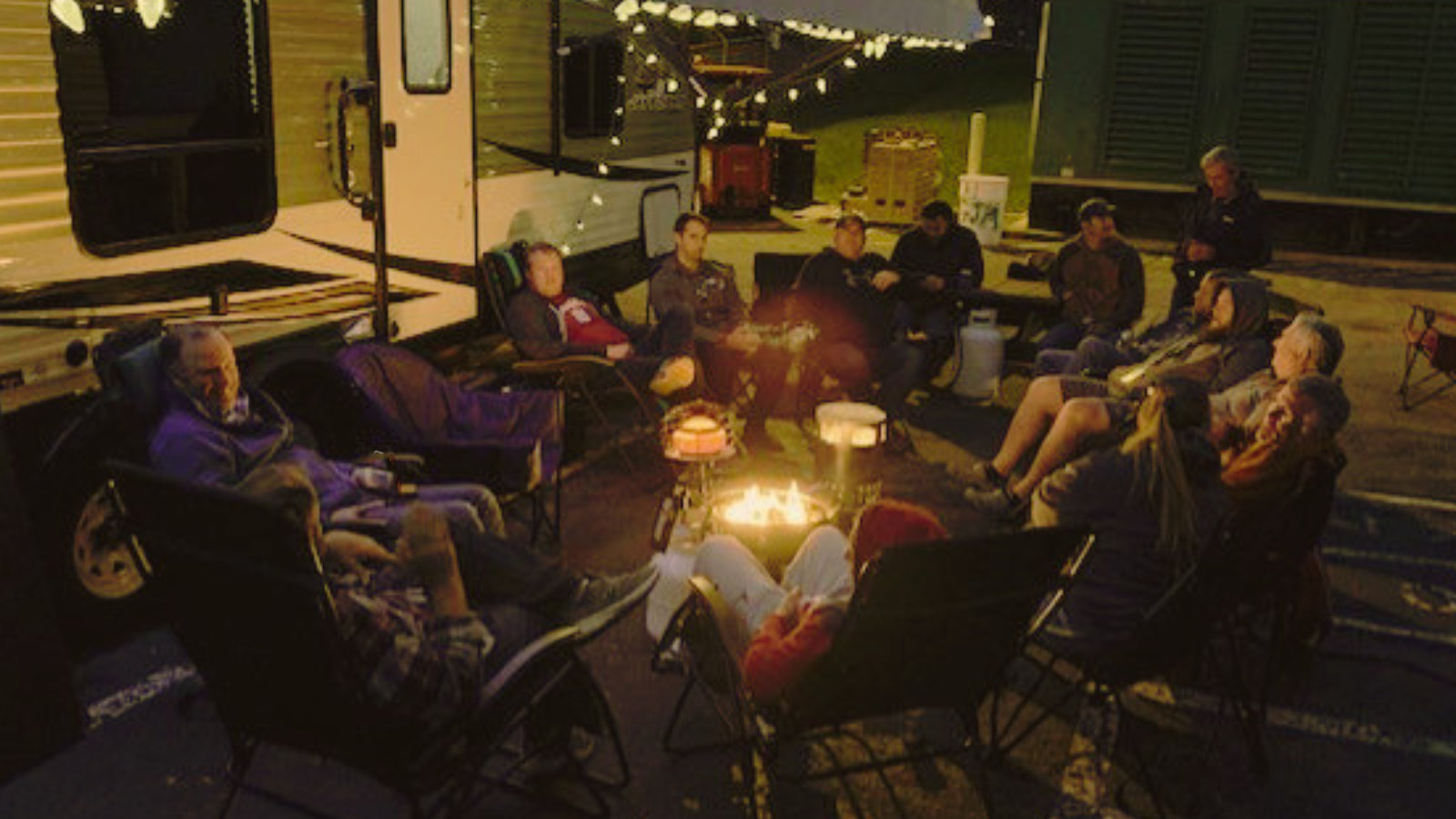
In March 2020, during the early days of the COVID-19 pandemic, people around the world were adjusting to the new normal of working at home. Meanwhile, 37 NYISO staff were adjusting to living – and sleeping! – at work.
One of the first Independent System Operators to implement operator sequestration measures, the NYISO took extraordinary steps to protect control room staff and minimize the risk of disruption to the electric grid.
As May marks six years since the end of sequestration, two operators and colleagues of nearly 30 years, Scott Heinbach and Nial Clauson, reflected on that remarkable eight-week period.
A "NY Tough" situation, but an easy choice
Though sequestration was optional, 31 grid operators, two managers, two facilities staff, and two catering staff volunteered to leave their families and friends to support the continuity of New York’s electric grid operations. The facilities team coordinated and set up trailers at the NYISO’s primary and secondary control room centers.

Scott, who started as a grid operator in June 1998, when the NYISO was still the New York Power Pool, later worked as shift supervisor until his retirement last May. Nial, still supervising the control room today, started in September of that same year.
For each of them, sequestering was both an easy and difficult choice.
“It needed to be done, and sequestering was the only way we could do it,” Scott said.
“So that made it an easy choice. Leaving family for an unknown length of time – that was the hard part.”
As lockdown orders helped “flatten the curve” for COVID cases, demand on the grid also eased. With fewer people going into work and spending time in public, peak load hovered around 15,000 megawatts. This isn’t all that far off more recent peaks, but in 2020, it was an anomaly, said Scott.
“We had never really seen loads that low during the day before,” Scott said.
Lower load can make for a “lighter” day in the control room but doesn’t come without its challenges. When demand is low and generation stays online, voltage can spike, forcing operators to shift their focus to keeping voltage within safe limits. This dynamic — low demand paired with high voltage — was the inverse of the pre COVID norm.
Spring days at Camp Carman
Move-in day was Monday, March 23, 2020.
The staff holed up at NYISO’s primary control center operated the night shift, while those staying at the secondary control center on Carman Road worked the day shift. Nial and Scott were both living at the control center they affectionately called “Camp Carman.”
In the early days of the pandemic, COVID testing was not exactly seamless, and rapid tests were typically reserved for essential, frontline workers. But just four days after the decision was made to sequester operators, each volunteer received a rapid test at Albany Medical Center to confirm it was safe to isolate alongside their colleagues.
After a confirmed negative result, volunteers trekked through a fresh, five-inch layer of early spring snow to make their way to their new living quarters.
“The facilities team did an awesome job – they were always there for anything we needed. As time went on and we ran out of supplies, we could always rely on them to get us restocked,” Scott said.
Camp Carman had a dedicated trailer to preparing meals for staff. After a few days of frozen pot pies and macaroni and cheese, the supply chain issues were resolved, and the catering staff provided fresh meals each day.
At first, when they weren’t in the control room, they decompressed by watching television, briefly becoming obsessed with the Tiger King documentary.
Families visited on Thursdays, so long as they stayed on the other side of Camp Carman’s gates.
Nial’s wife dropped off propane-powered heaters, so the routine for those off-shift at Camp Carman quickly turned to campfire-like gatherings with card games and lawn chairs.
“Once the weather turned and we were able to spend our free time outside, we played all kinds of outdoor games. Cornhole, Kanjam, everything. We did that as much as we could.”
The mission
Fortunately, the operators were used to being in close quarters in high-stakes conditions. The control room operates 24 hours a day, 365 days per year.
“With the setup of the control room, you're already a little more intimate with your coworkers than those in a traditional cubicle setup. So it wasn't that big of a shock to live with somebody, because you've already spent so many 12 hours days in the same room as them,” Nial said.
Transition from their pre-COVID lives to sequestration was about as seamless as it could be, according to Nial.
“We can't take a walk at lunch,” Nial said. “If our kid is sick at school, we can't leave. We miss holidays, weekends, and birthdays with our families. So that part we were used to.”
For the two men, the pandemic was just another reminder of the magnitude of their mission to keep the lights on millions of New Yorkers.
“I flew into Newark one time … overlooking the city,” Nial said. “You see all those lights, and then it kind of dawns on you: wow, we're responsible for that.”