What an “All-of-the-Above” Energy Strategy Looks Like and Why It’s Essential
What an “All-of-the-Above” Energy Strategy Looks Like and Why It’s Essential
June 16, 2026
New York is facing a monumental challenge: It must deliver an energy system that is reliable, affordable, and clean, all while maintaining the diversity of resources needed to achieve those goals.
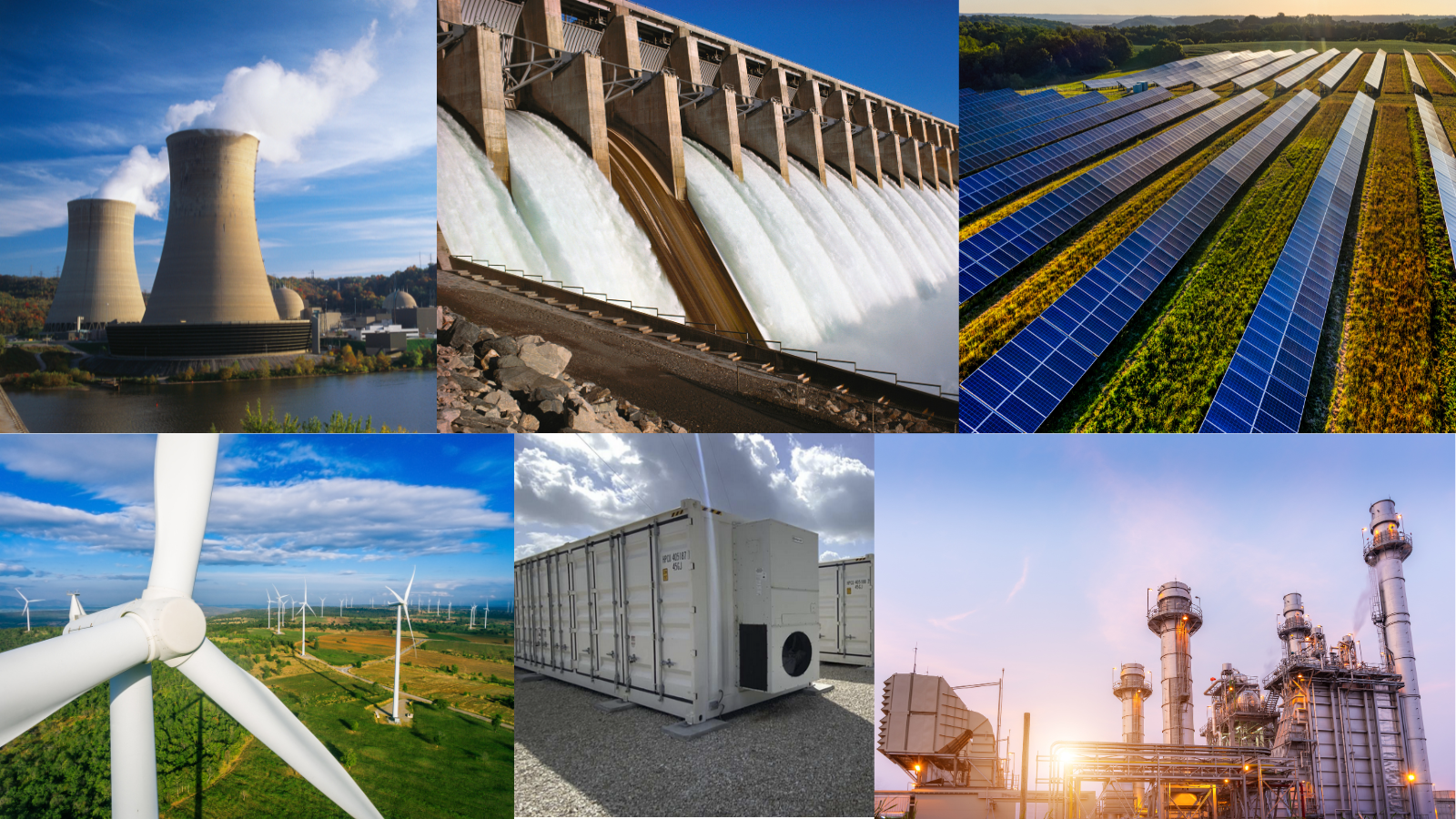
The reality is that no single resource type can meet all of these objectives on its own. That’s why the 2025 New York State Energy Plan calls for a balanced, disciplined, “all-of-the-above” strategy to resource development.
Renewable energy is at the center of the grid in transition, both for its economic and environmental value. Wind and solar resources have a defining advantage: their fuel is free. Once built, they produce electricity at low marginal cost, which allows them to be dispatched first in competitive markets and place downward pressure on wholesale electricity prices. Over time, this reduces exposure to volatile fuel markets and helps stabilize costs for consumers. These resources areindispensable to achieving New York’s climate goals. Continued and accelerated deployment of renewables is essential to reducing emissions and advancing the state’s clean energy targets. Simply put, New York needs more renewable generation.
At that same time, affordability and sustainability must be matched by reliability. The grid must perform every hour of every day, across all seasons and under a wide range of conditions. Today, reliability is being challenged by a fundamental shift in the resource mix. As generator retirements outpace the addition of new supply, reliability margins are narrowing at the same time demand is growing.
Without timely action, the risk of stress events and service interruptions increases. Maintaining reliability requires resources that can respond to the system’s needs in real time. Dispatchable, flexible generation remains essential to balancing variability in renewable output and ensuring that electricity is available when it is needed most. In the near term, this means continued investment in cleaner, more efficient natural gas technologies and the repowering and modernization of existing facilities.
These cutting-edge gas-fired resources are not only critical for reliability, they also play an important role in controlling costs. Modern, high-efficiency units convert fuel to electricity more effectively, requiring less fuel per unit of output and lowering overall production costs. By reducing fuel consumption and improving operational performance, they can help limit upward pressure on wholesale electricity prices while providing the flexibility the system requires.
Investing in advanced gas technologies and repowering old units can ensure the system remains reliable and cost-effective.
The urgency of this moment cannot be overstated. New York’s system is operating with less margin for error than in the past. Investment must occur now, not some time in the future, to reverse declining reserve margins and ensure adequate supply is in place before additional resources retire or demand rises further. Delaying these investments would increase system costs, drive greater reliance on emergency measures, and heighten risks to reliability and economic activity.
New York is also taking steps to add new forms of zero-emission and reliable supply in the form of nuclear development. Nuclear energy operates regardless of weather conditions and can complement renewable resources by providing consistent supply when intermittent resources cannot. While nuclear development represents a longer-term solution, it will be an important component of a future system that must balance reliability, affordability, and decarbonization as traditional resources retire.
The path forward must remain open to innovation. Emerging technologies such as advanced storage, hydrogen, and other approaches to delivering dispatchable and flexible energy may play a critical role in the years ahead. These technologies have the potential to lower costs, improve system performance, and support climate goals, but they must be evaluated based on their ability to deliver real-world reliability and economic value. Maintaining flexibility in planning and policy will be essential to incorporating these solutions as they mature.
An all-of-the-above strategy is about ensuring the system has the right resources available at the right time. A balanced approach is the most practical and effective way to ensure that the state can deliver a clean, reliable, and affordable energy future.